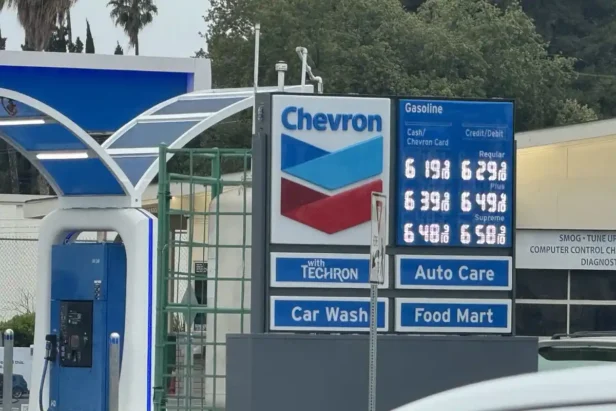
California’s commercial gasoline inventories have fallen to the lowest level on record, according to Reuters and market participants the news agency interviewed. Traders attributed the drop to disruptions in maritime shipments through the Strait of Hormuz, which have strained the West Coast’s fuel supply chain. Analysts surveyed by Reuters expect retail pump prices in the state to rise in the near term.
The shortfall involves physical in-state stockpiles, not federal strategic petroleum reserves, Reuters reported.
What Happened to Supply
The Strait of Hormuz is the world’s most critical chokepoint for seaborne oil shipments. Disruptions there ripple almost immediately into spot contracts and Pacific tanker routing. California is more exposed than most states: its refineries are configured for a specialized fuel blend required under California Air Resources Board regulations, meaning a shortage cannot simply be covered by redirecting supply from Texas or the Gulf Coast.
Traders are rerouting shipments, but replacement cargoes take longer to arrive and cost more, according to Reuters. The gap between depleted inventories and incoming tankers is precisely when wholesale prices climb.
Why Pump Prices Will Follow
California consistently ranks among the most expensive states for gasoline, driven by the state’s excise tax, CARB environmental requirements, and an effectively isolated fuel market — no interstate pipelines connect it to other refining regions. When inventories fall and alternatives are limited, wholesale prices pull retail prices higher within days.
Analysts quoted by Reuters said the size of any retail increase will depend on how quickly maritime delivery schedules can be restored.
What It Means for Southern California
Historically, each flare-up in the Strait of Hormuz has translated into higher prices at stations across the Los Angeles and San Diego areas — the state’s largest consumption centers, where price spikes tend to be most pronounced.
Scheduled refinery maintenance could compound the pressure. If planned outages at local facilities overlap with low inventory levels, the market faces a simultaneous hit to supply from two directions.
What to Watch
Weekly inventory reports and tanker arrival schedules at the Long Beach and San Francisco Bay terminals are the nearest indicators to watch. According to Reuters, traders are tracking several cargoes that have been redirected toward the West Coast. Wholesale market pressure is expected to persist until those shipments offload.