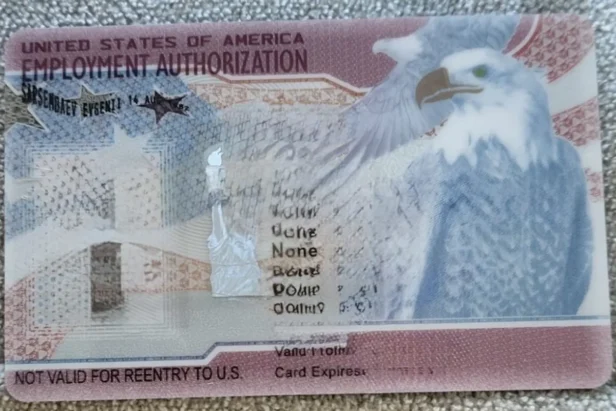
If you’ve filed for asylum and are waiting for work authorization, the wait could soon double. The Department of Homeland Security has proposed a new rule extending the eligibility period for an Employment Authorization Document from 150 days to one year. The rule is still in the proposal stage — the public comment window closes April 24.
What Changes
Under current rules, asylum seekers can apply for an EAD 150 days after filing Form I-589. The proposed rule pushes that threshold to 365 days.
The proposal also introduces an automatic pause on EAD applications. The pause would trigger whenever average asylum case processing times exceed 180 days for 90 consecutive days. USCIS currently takes an average of 1,278 days to adjudicate an asylum case. DHS acknowledged in the rule’s text that under the existing backlog, the pause could last anywhere from 14 to 173 years.
A third change would require biometric data — fingerprints and a photo — at every EAD application and renewal. Currently, biometrics are collected only at the initial asylum filing. A missed or delayed biometric appointment could block renewal, even for people who have been working legally for years.
Who Gets Hit First
The rule targets two groups. New filers would wait a year instead of five months before they can legally work. Those already employed and renewing their EADs face a new biometric hurdle that could create a gap between their current permit expiring and a new one arriving. Employers are required to remove workers from payroll the moment an EAD lapses.
Conchita Cruz of the Asylum Seeker Advocacy Project called the rule an attempt to force “millions of asylum seekers to lose their jobs” — including people who have lived and worked legally in the United States for more than a decade.
San Francisco at the Center
San Francisco’s immigration court carries the largest backlog in California. According to the Transactional Records Access Clearinghouse, more than 120,000 cases were pending there in fiscal year 2025. Final hearings are now being scheduled for 2029. In early 2025, the Trump administration dismissed 12 of the court’s 21 judges, leaving nine on the bench.
The proposed DHS rule lands squarely on this pressure point. Someone who files an I-589 in the Bay Area today will wait a year to work — and then several more years for a decision on their case.
Why DHS Is Doing This
USCIS has 1.45 million unresolved asylum cases. Immigration courts hold another 2.35 million. DHS argues the current system incentivizes weak filings: while a case works through the years-long backlog, the applicant can legally work — making the filing essentially cost-free.
Secretary Kristi Noem signed the proposal. DHS put its position plainly: “Aliens do not have the right to work while we process their asylum applications.”
A Precedent From 2020
During Trump’s first term, DHS attempted something similar — proposing to extend the EAD wait from six months to one year. Courts blocked that rule before it took effect. The current version goes further, adding the automatic pause mechanism that wasn’t part of the 2020 proposal.
What to Do Now
The rule has not been finalized. Until April 24, 2026, anyone can submit a public comment at regulations.gov under DHS Docket No. 2025-0370. Immigration advocacy organizations are urging people to use that window.
This article is for informational purposes only and does not constitute legal advice. Immigration laws and policies may change. Consult a qualified immigration attorney for guidance on your specific situation.